RERA 2.0 in 2026: New Rules Every Homebuyer and Property Developer Must Know
India's real estate sector has undergone a dramatic transformation since the Real Estate (Regulation and Development) Act, or RERA, was enacted in 2016. A decade later, RERA has evolved into what experts are calling "RERA 2.0" — a stronger, more transparent, and more buyer-friendly framework that addresses the gaps and loopholes of the original Act.
Whether you are planning to buy a flat, invest in a commercial property, or you are a developer launching a new project, understanding RERA 2.0 in 2026 is not optional. It directly affects your rights, your money, and your timelines.
What Is RERA and Why Was RERA 2.0 Needed?
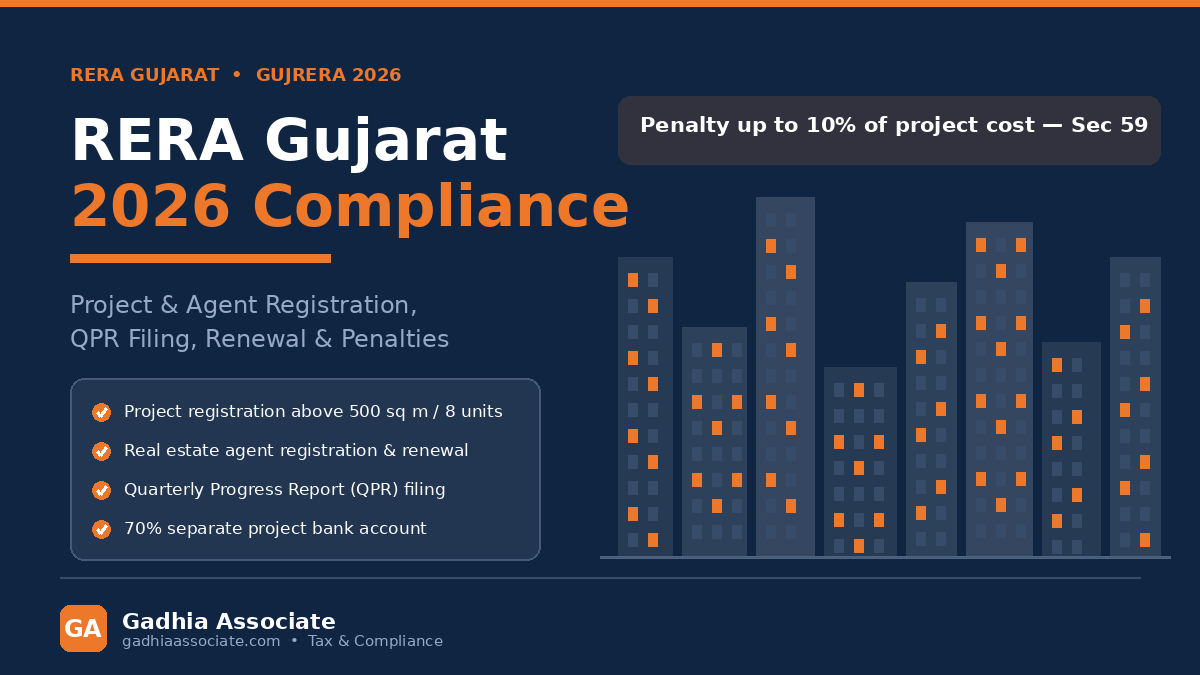
RERA was introduced to protect homebuyers from delayed projects, misleading advertisements, and fund diversion by developers. It made it mandatory for developers to register their projects with the state RERA authority, disclose project details publicly, and deposit 70 percent of buyer funds in a dedicated escrow account to prevent misuse.
However, implementation varied widely across states, penalties were not always enforced, and many developers found ways to delay compliance. RERA 2.0 addresses these issues with stricter enforcement, third-party audits, digital complaint portals, and important amendments through the Jan Vishwas (Amendment of Provisions) Act, 2026.
Key Changes Under RERA 2.0 in 2026
The first major change is decriminalisation with stronger civil penalties. The Jan Vishwas Act, 2026 has removed criminal liability for several technical and procedural violations of RERA. While this promotes ease of doing business for developers, it comes with higher financial penalties for non-compliance. This means developers cannot be jailed for paperwork delays, but they will face much heavier fines if they fail to deliver on time or divert funds.
The second change is enhanced financial transparency. The original 70 percent escrow rule has been strengthened under RERA 2.0 with mandatory third-party audits of escrow accounts and regular reporting to state RERA authorities. Buyers can now demand audited financial statements of the project they invested in, significantly reducing the risk of fund diversion.
The third change is expanded project coverage. RERA 2.0 expands the definition of "ongoing projects" — bringing more stalled or partially completed projects under RERA protection. This is excellent news for thousands of buyers stuck in limbo with builders who claimed their projects were exempt from the original RERA.
Digital Complaint Portals — Faster Justice for Buyers
One of the most practical improvements in 2026 is the rollout of fully functional digital complaint portals by most state RERA authorities. Buyers no longer need to visit RERA offices in person to file complaints. You can now submit cases online, track hearing dates, and receive orders digitally.
States like Maharashtra (MahaRERA), Karnataka (K-RERA), Gujarat (GujRERA), and UP-RERA have led the way in digital adoption. MahaRERA in particular has also issued key circulars in 2026 on the execution of deeds of cancellation — providing clearer guidance on what happens when a buyer-developer agreement is cancelled and how refunds must be processed.
What Homebuyers Must Do in 2026
Before booking any property, always check the RERA registration number of the project on your state's RERA portal. Verify that the project is actively registered and that the developer's escrow disclosures are up to date. For ongoing projects, check the quarterly progress reports that developers are required to upload. If your builder is delaying possession beyond the agreed date, you now have stronger grounds under RERA 2.0 to claim interest at the SBI MCLR rate plus 2 percent for every month of delay. For cancelled or stalled projects, consult a legal expert immediately — the expanded RERA 2.0 coverage may bring your project under protection even if the builder previously claimed exemption.
How Gadhia Associate Can Help You With RERA Matters
Navigating RERA compliance — whether you are a homebuyer seeking a refund or a developer ensuring your project is registered correctly — requires expert legal and financial guidance. The changes under RERA 2.0 have increased both your rights as a buyer and the compliance burden on developers.
Gadhia Associate provides end-to-end RERA advisory services — including RERA project registration for developers, RERA complaint filing and representation for homebuyers, review of builder-buyer agreements, escrow compliance advisory, and guidance on refund and cancellation matters. Our team is fully updated on the latest RERA 2.0 changes and state-specific RERA regulations across India.
If you have invested in a real estate project and have concerns about possession delays, fund diversion, or RERA non-compliance, contact Gadhia Associate today at careandcomply@gmail.com or visit gadhiaassociate.com. Your home investment deserves expert protection.